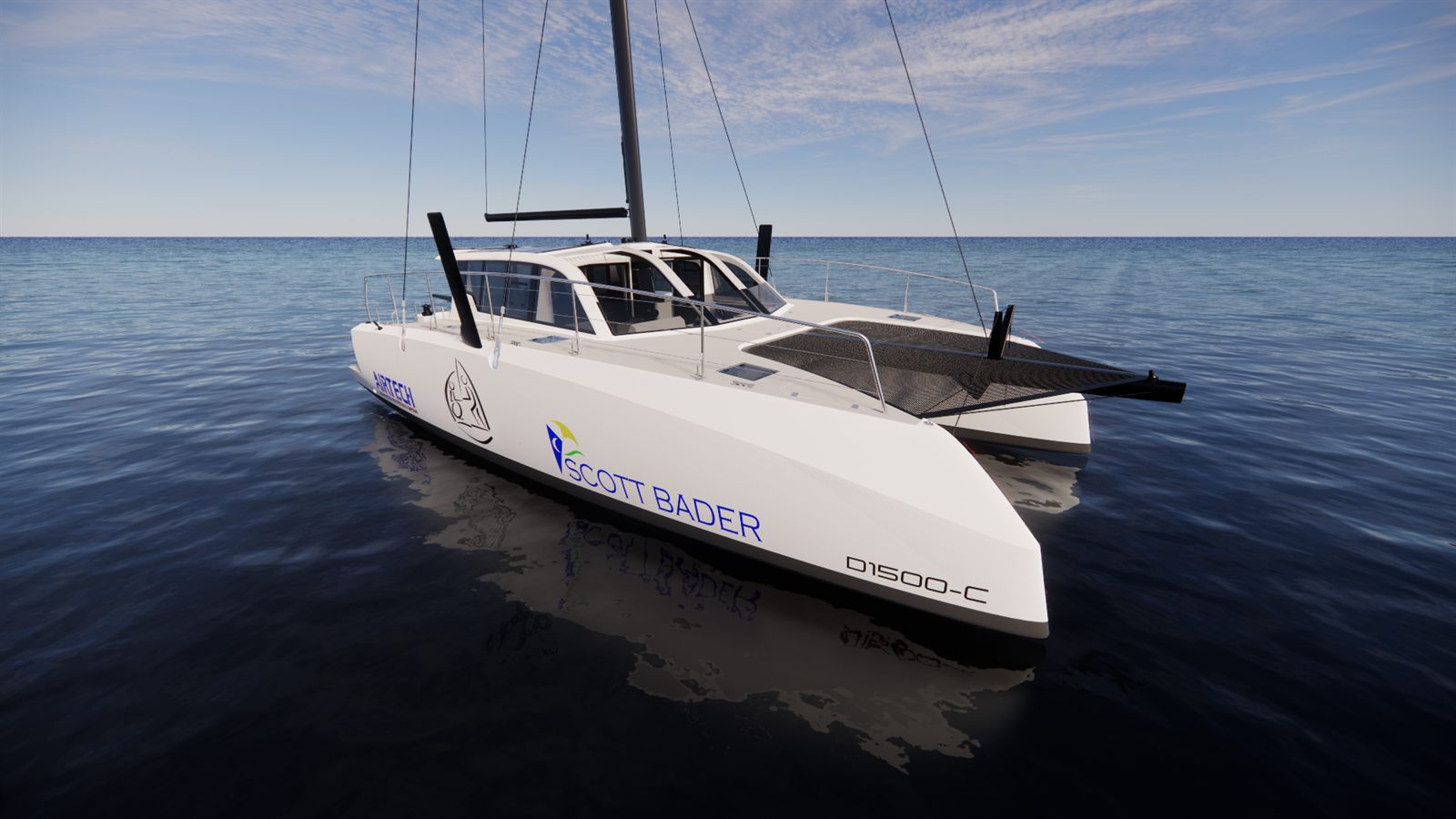
The DSA Dazcat is nearing completion
The ocean without barriers: why the Association's new Dazcat catamaran must reach the water.
Along a quiet stretch of boatyard, something remarkable is taking shape. At first glance it looks like a modern ocean-going catamaran — sleek twin hulls, purposeful lines, the promise of speed and adventure. But look closer, and it becomes clear this is far more than a yacht. This vessel represents freedom, dignity, and the belief that disability should never define the limits of human ambition.
The Disabled Sailors Association is building what will become one of the most capable wheelchair-accessible offshore sailing catamarans in the world. Based on a proven Dazcat design, the vessel is being created to enable people with even the most complex disabilities to experience ocean sailing in ways that were previously unimaginable.
The hulls and the superstructure are complete, and the dream is now visible in composite and craftsmanship — its sleek shape is emerging. The aim is simple, yet revolutionary: to create a vessel capable of taking disabled sailors across oceans while providing levels of accessibility rarely seen anywhere in the maritime world.
For many future crew members, this boat will offer something society often takes for granted: choice. The choice to sail, the choice to explore, and the choice to participate fully in an adventure rather than observe it from the shore.
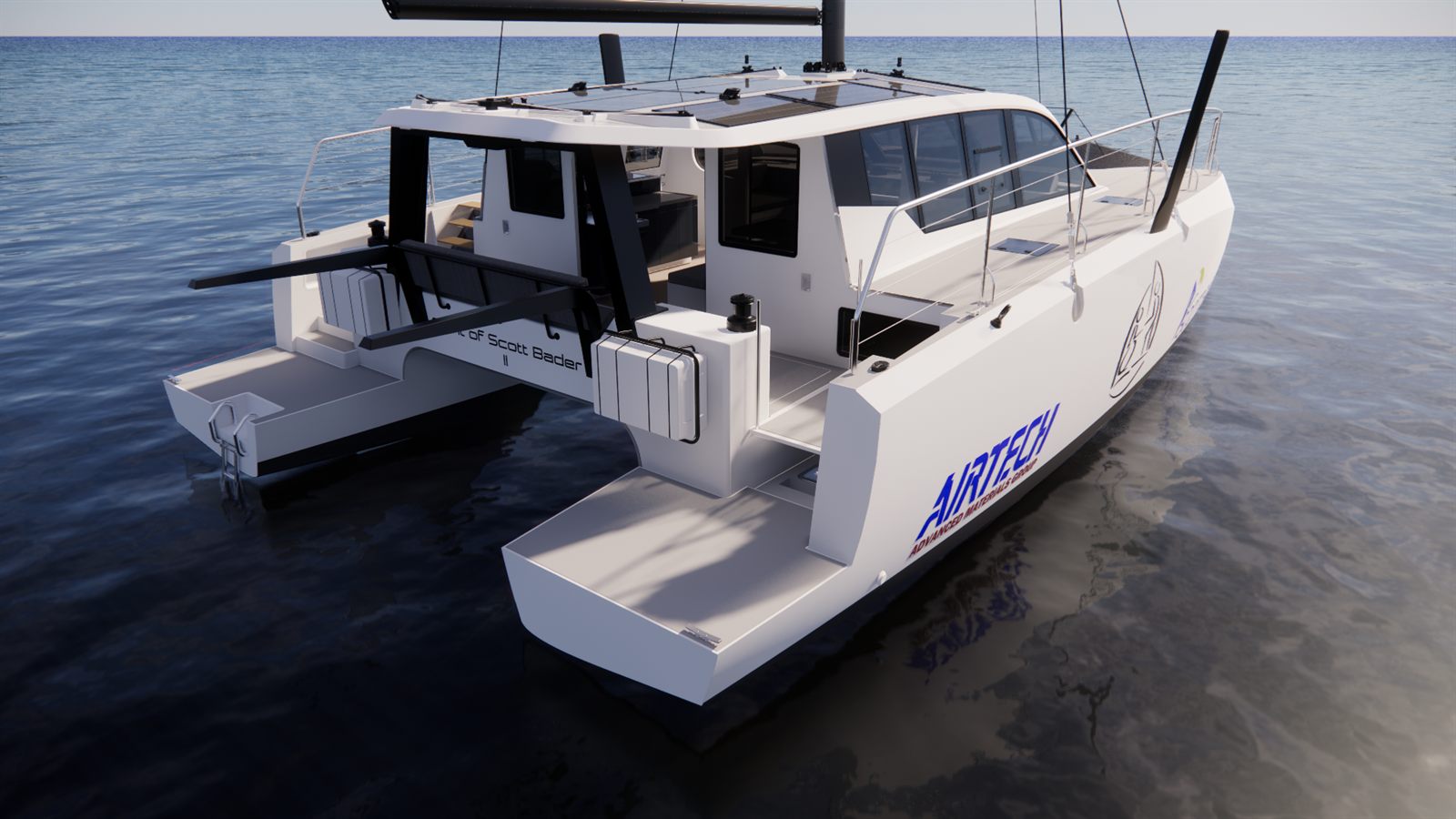
Designed, from the outset, for inclusion
This is not simply a yacht with wider doorways or a wheelchair lift. It is being engineered, from the outset, to accommodate people with a wide range of disabilities, including individuals with highly complex mobility requirements. Every system, access route and operational feature is being designed through the lens of inclusion.
For decades, the Disabled Sailors Association has demonstrated what can be achieved when determination is matched by innovation. Its pioneering work has enabled countless people with disabilities to experience the exhilaration, independence and confidence that sailing can provide. Many participants arrive believing there are things they can no longer do; they leave having discovered that their horizons are far wider than they imagined.
Why the final six months matter
Today, with just six to eight months of specialist work remaining, progress has slowed. What remains is the installation of highly specialised systems that will transform an impressive catamaran into a truly world-class accessible sailing platform.
These are the systems that make inclusion possible, that make independence possible, and that convert a boat into a life-changing opportunity. Without them, the project remains incomplete. With them, the vessel can begin transforming lives for decades to come.
The funding challenge
When the project began, the anticipated cost was approximately £1.8 million — an ambitious but realistic figure. Then the world changed. Global supply-chain disruption, inflation, rising material costs, energy price shocks and geopolitical instability have transformed the economics of major engineering projects across every sector. Today, the expected cost of completing the vessel has risen to £2.4 million — of which £1.6 million has been raised.
These pressures are not the result of poor planning; they are the consequence of events unfolding thousands of miles away. Some intended sponsors have ceased trading or been constrained by cash-flow difficulties, and historic relationships have been disrupted by corporate restructuring across the marine industry. Despite this, organisations such as the Scott Bader resin company and Artech Advanced Materials have stood firmly alongside the project, understanding that this is not simply about building a boat but about creating opportunity.
There is encouraging news, too. Existing supporters may be able to contribute between £200,000 and £300,000 in the coming months, demonstrating strong confidence in the project. But a significant gap remains. To maintain momentum and achieve a launch target of April 2027, at least a further £800,000 is urgently required.
What is at stake
What is at stake is far greater than a boat. It is the experience of a young wheelchair user undertaking their first offshore passage; a military veteran rediscovering confidence after life-changing injury; an individual who has spent years being told what they cannot do, suddenly finding themselves a valued member of a crew, crossing open water.
These moments cannot be measured financially, yet they represent some of the most powerful outcomes any charity can deliver. The DSA's new catamaran will not simply transport people across oceans; it will carry them beyond assumptions, beyond barriers and beyond limitations.
The finish line is visible. The dream is built. Now it must be launched.
The ocean belongs to everyone. This catamaran has been designed to prove exactly that. With the right support, it can leave the dock in April 2027 — not merely as a boat, but as a powerful symbol of inclusion, determination and human possibility.
Want to help launch her? You can read the full case for support and the detailed costings on the new catamaran page, or make a donation today. To talk about corporate sponsorship or a major gift, contact Mike Wood on 07541 754196 or mikewood@disabledsailing.org.